Overview
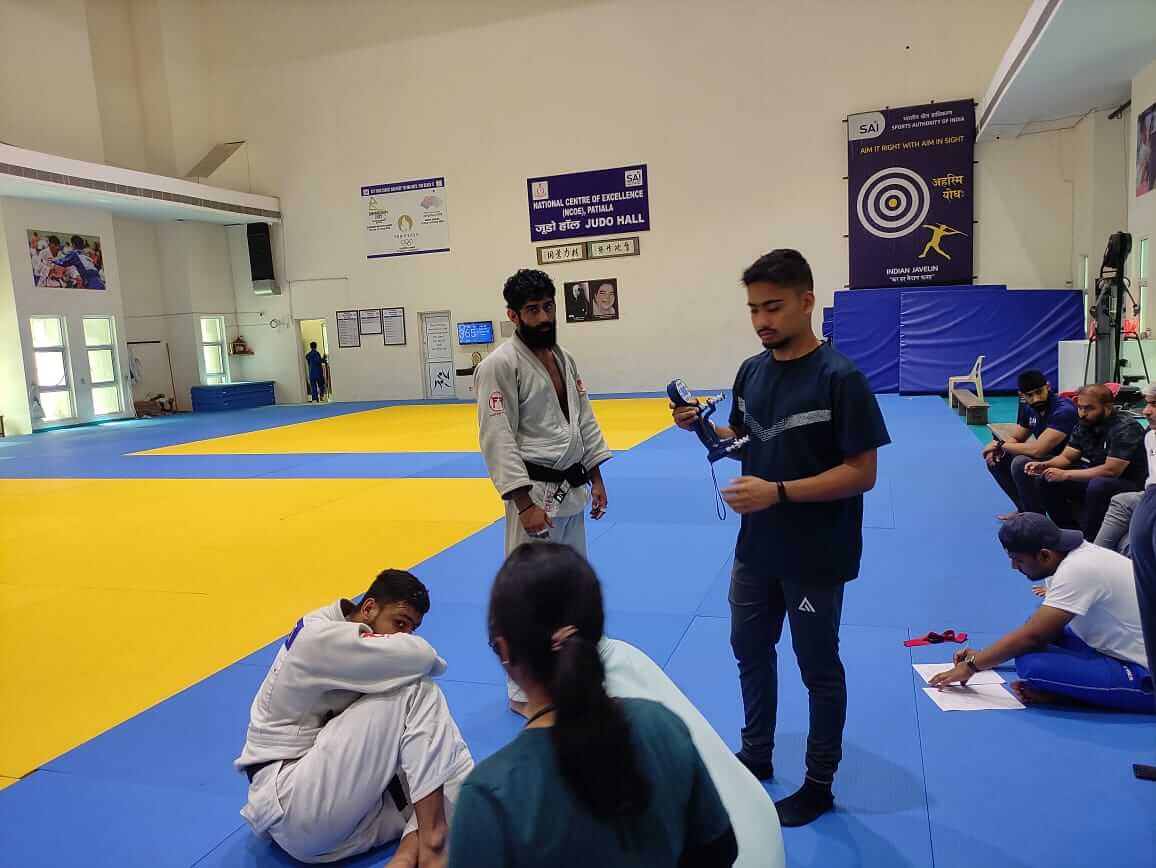
The Department of Exercise Physiology at the Netaji Subhas National Institute of Sports (NSNIS), Patiala, is a keystone of scientific sports support in India, operating under the Sports Authority of India (SAI). The dept. was established as part of the Faculty of Sports Sciences (introduced in 1983), the department focuses on monitoring, analyzing, and enhancing the physiological performance of elite athletes. The department provides scientific backup to elite athletes, including NCoE athletes, TOPS athletes, national campers etc.
MAIN OBJECTIVE IS TO SUPPORT
- Monitoring of Physiological performance variables of top sports persons of the country: TOPS athletes, National Campers, SAI – NCOE, SAI – Training centre (STC), Khelo India (KI) athletes.
- Phase wise Physiological testing, test analysis and test prescription advise
- Academic classes of different online and offline classes (MSc. Course, PG Diploma, Refresher Course, Diploma, Certificate Course etc.).
- Conduction of various knowledge development program, Online webinars, Pre-Conference workshop etc.
- The department actively works towards creating a robust “High-Performance” sports ecosystem within India by integrating advanced physiological testing with practical training.
- Variable wise Physiological Norms creation for Indian subcontinent origin.
- Game wise Event specific testing Protocol formulation via Pilot study, Reliability and Validity work through prediction modelling.
- Quality Research Work in the field of Sports Science.
Focused physiological testing areas:
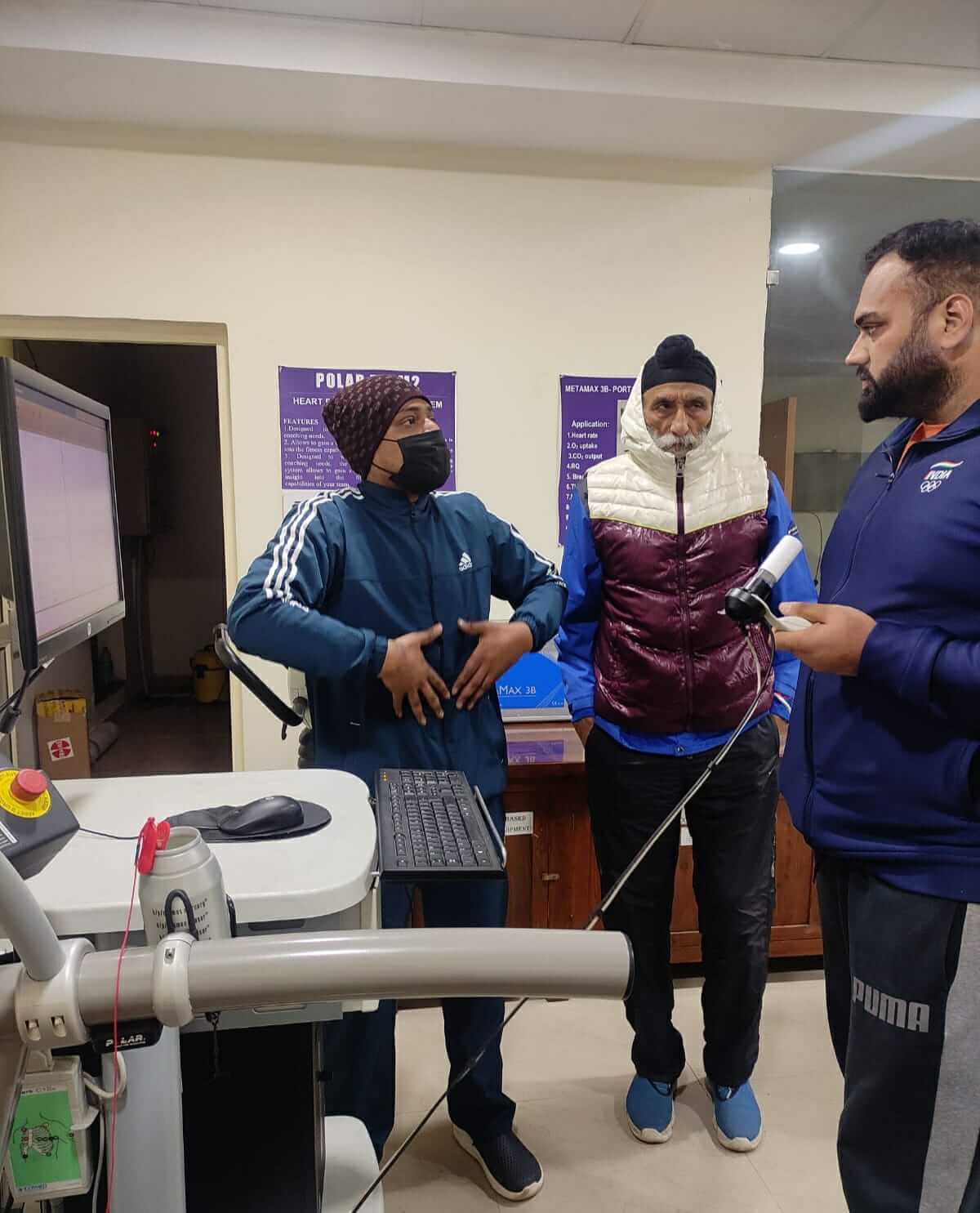
- Cardio-pulmonary fitness and Lung function (spirometry) testing
- Heart rate variability (HRV) and cardiac recovery response
- Physiological threshold (AT, VT, LT) monitoring
- Anaerobic power profiling
- Graded exercise testing (GxT) and Optimal performance testing
- Various muscular strength adoption measurement
- Lactate threshold (LT1 & LT2) based training planning
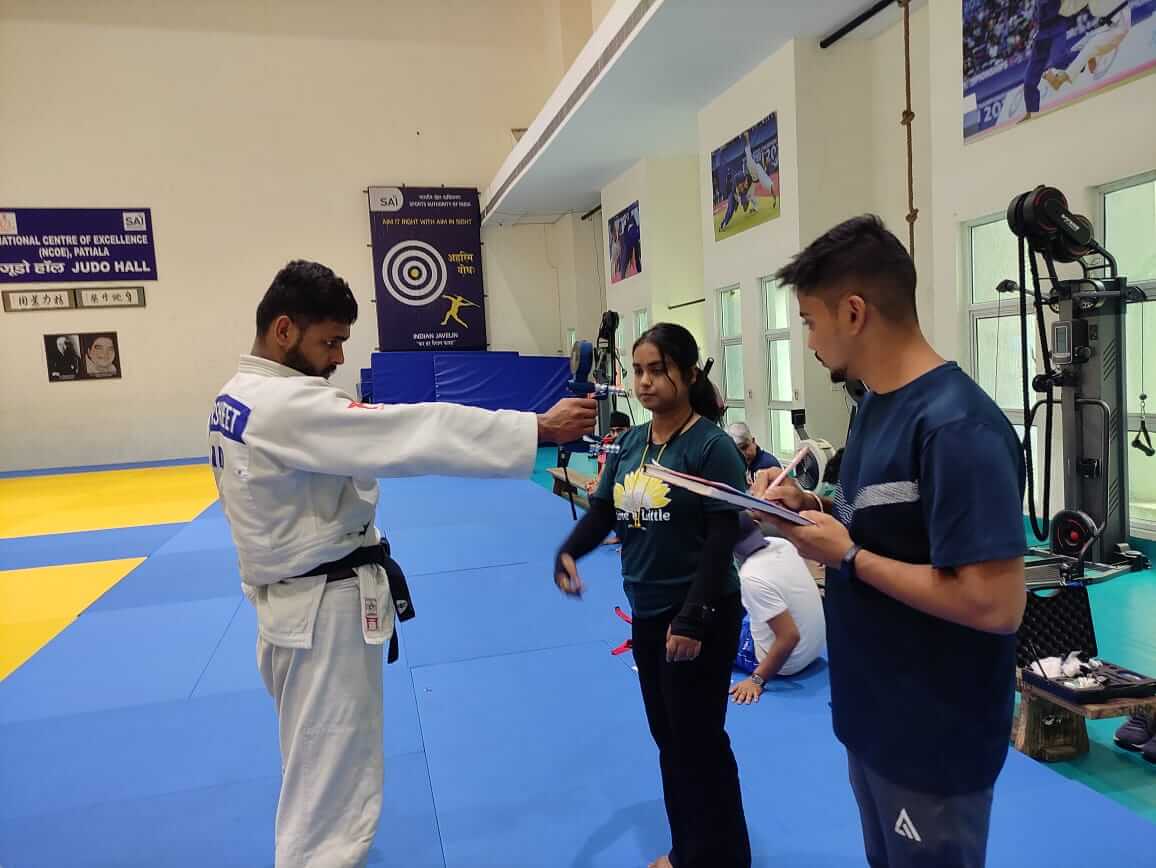
- Field-based physiological performance monitoring
- Physical and physiological fitness battery testing and test prescription
- Physical workload monitoring
- Lactate and Heart rate adaptive response measurement
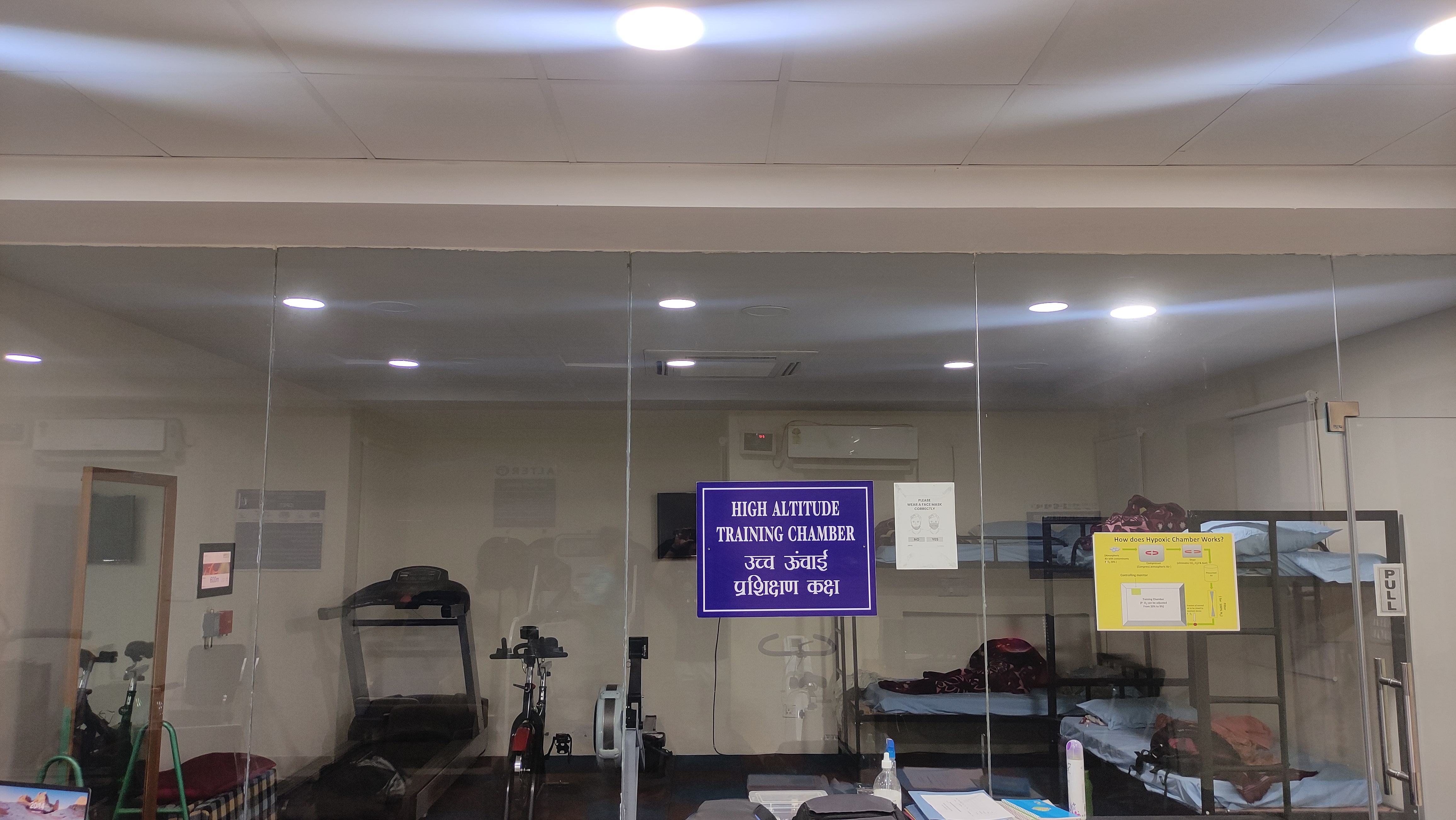
- Hypoxic chamber-based high-altitude training simulations
Equipment
Following are the list of available equipment at Dept. of Exercise Physiology, NSNIS Patiala:
| S.No. | Equipment | Functions |
|---|---|---|
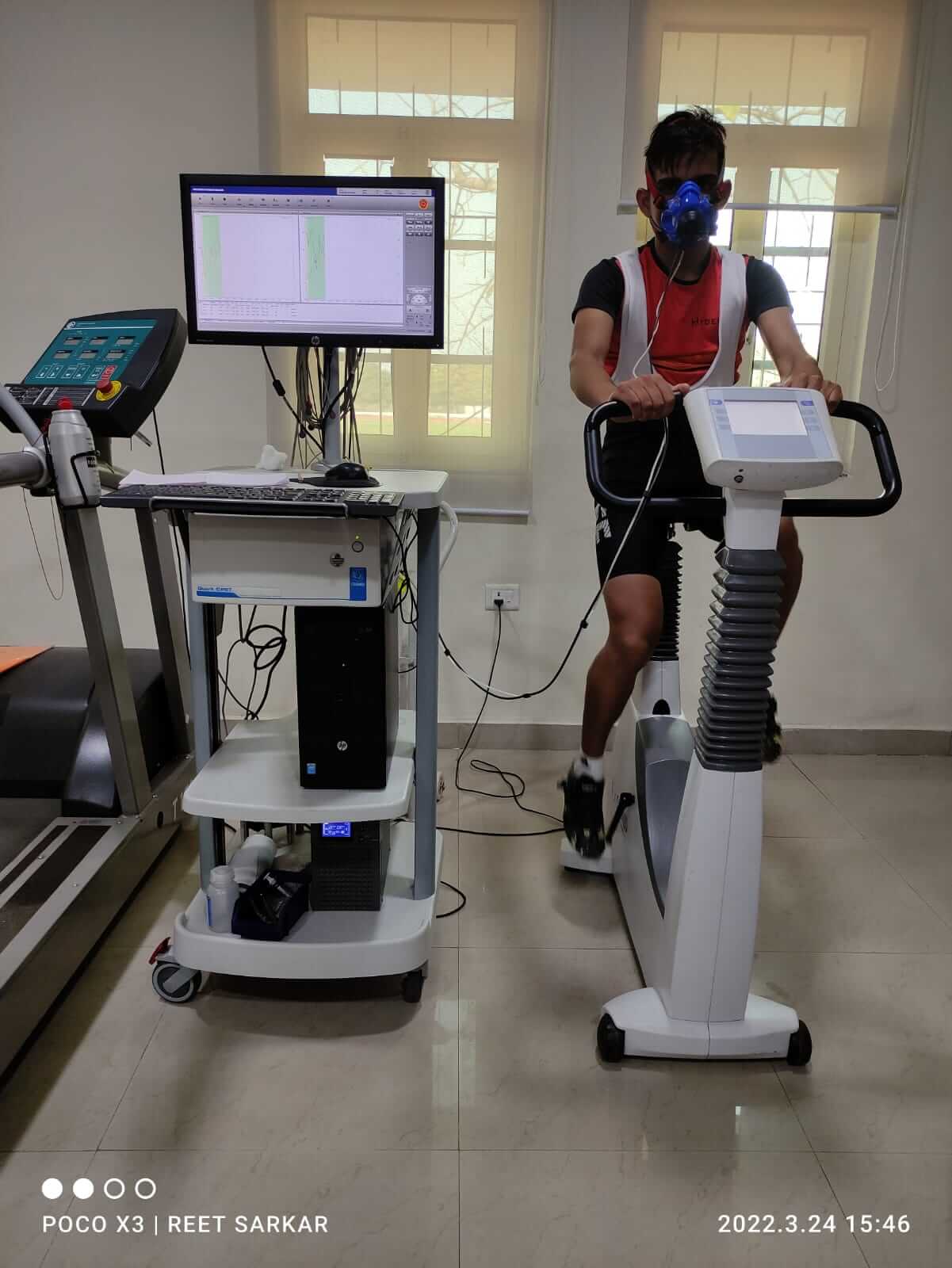
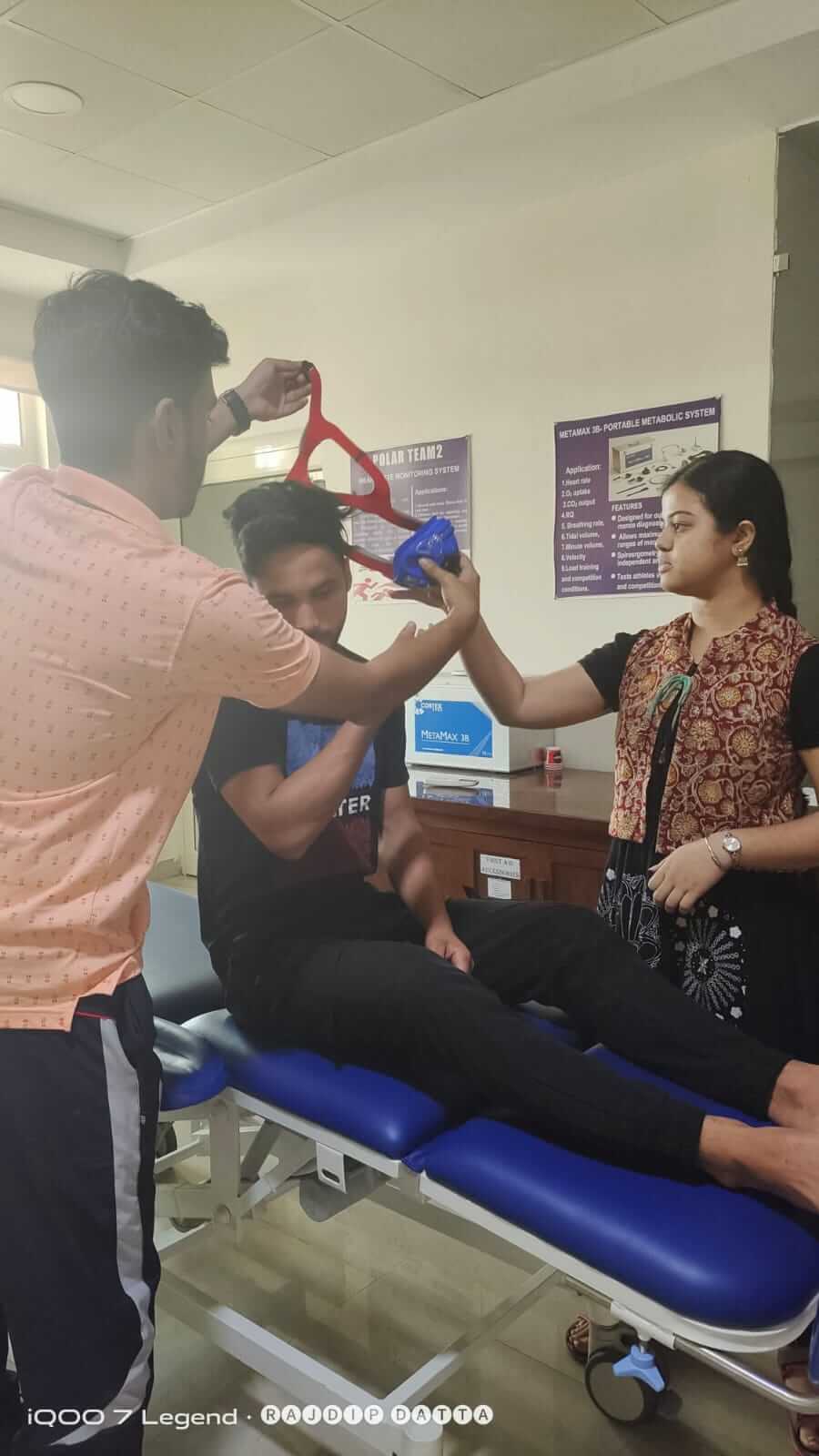
| 1 | Portable Metabolic Gas Analyzer (COSMED K5) | Cardiorespiratory variables measurement |
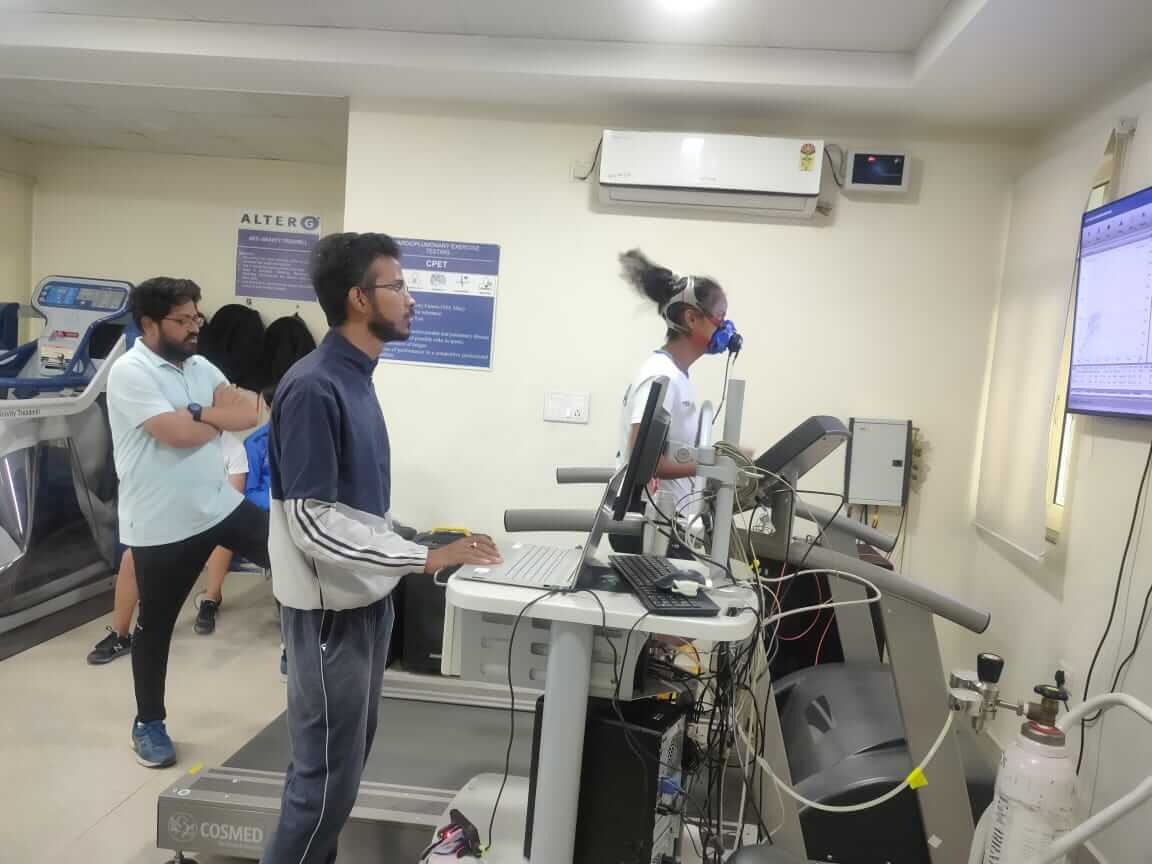
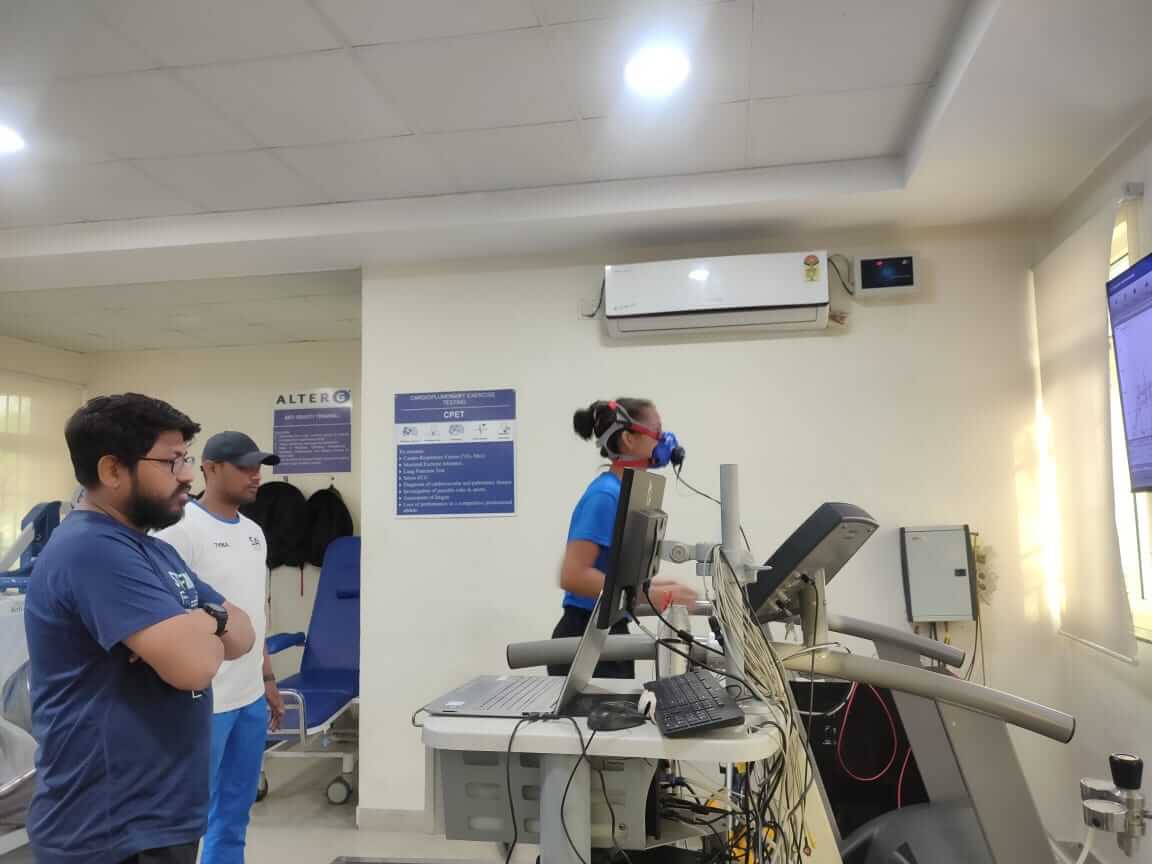
| 2 | Spirometry (COSMED CPET) | Lung Function Test (LFT) |
| 3 | Uphill inclined Treadmill (COSMED uphill reversible-belt treadmill) | Graded exercise test (GxT) |
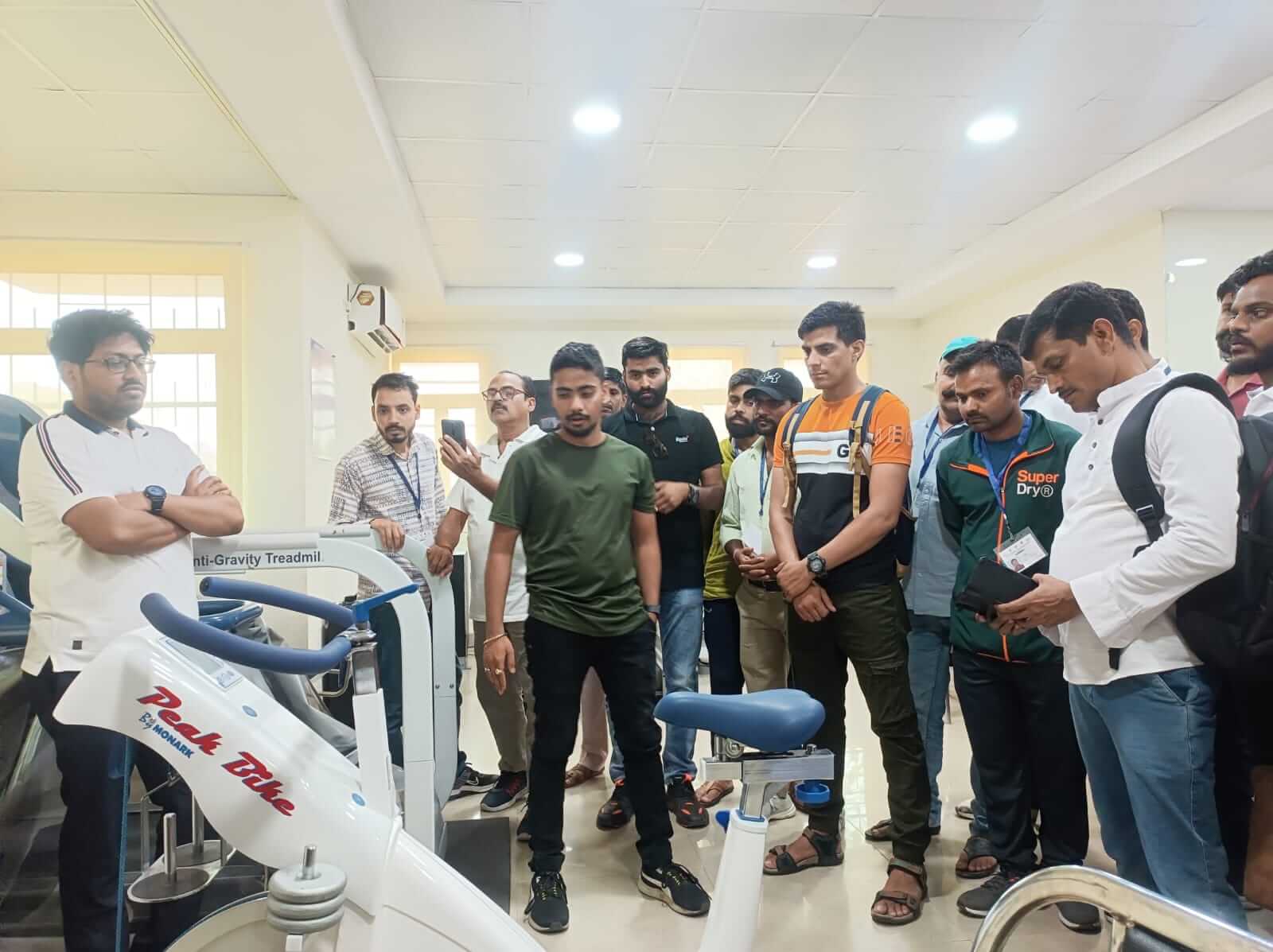
| 4 | Anti-Gravity Treadmill (Alter-G) | Injury rehabilitation (lower body) |
| 5 | Bicycle Ergometer (COSMED Ergoselect) | Bicycle for performance testing |
| 6 | Watt-Bike (Atom-X) | |
| 7 | Performance cyclist bike (Monark LC7-TT) | Cyclists’ performance & Endurance capacity measurement |
| 8 | Lower body – Peak Bike (MONARK 894E) | Anaerobic power measurement |
| 9 | Upper Body – Peak Bike (MONARK 891E) | |
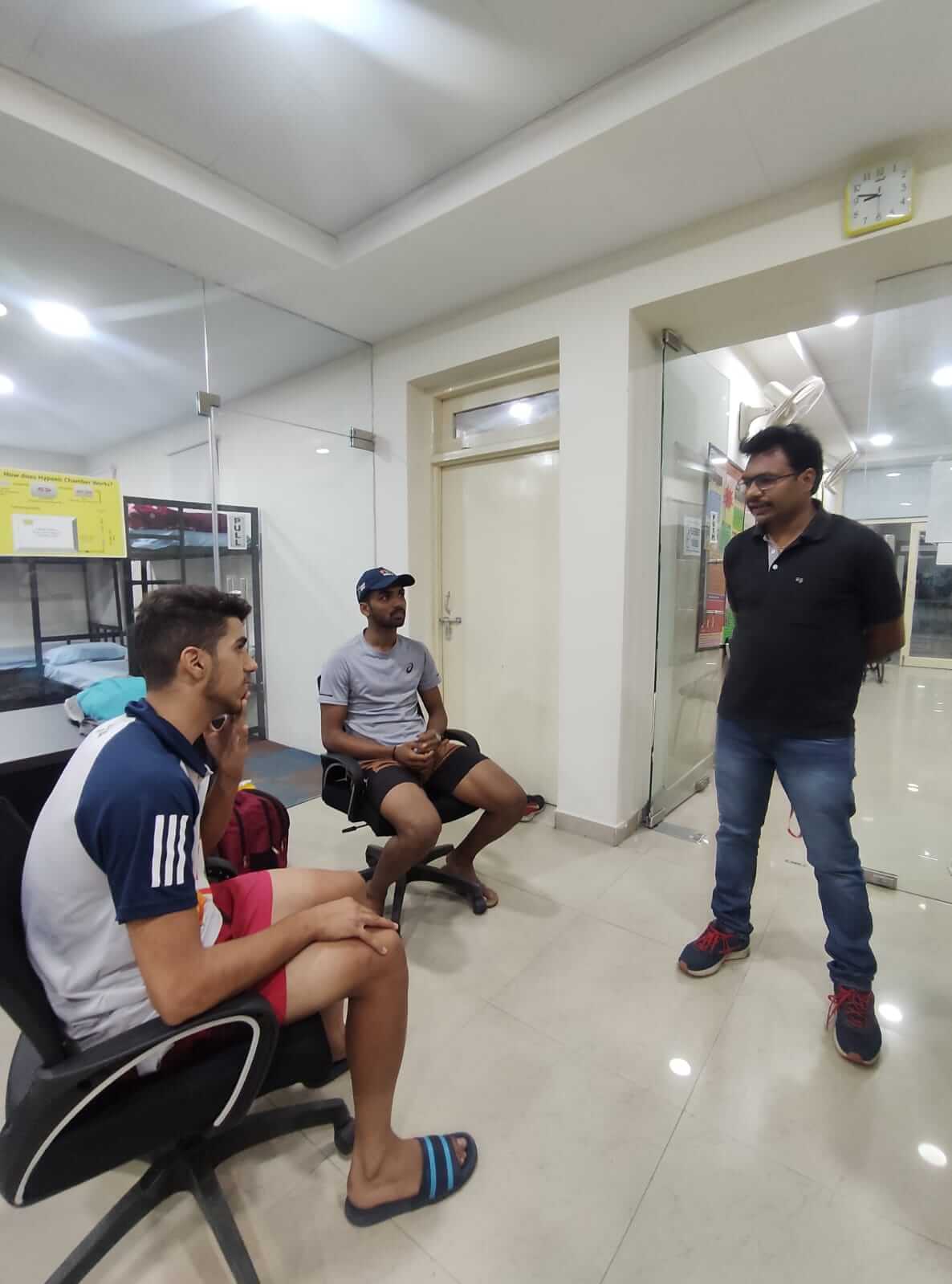
| 10 | Hypoxic Chamber ~90M3 | High-altitude |
| 11 | Polar Team Pro (POLAR) Heart Rate (HR) sensors | Heart Rate (HR) measurement & analysis |
| 12 | Polar H9 Heart Rate (HR) sensors | |
| 13 | Gpexe HR GPS monitoring system (Pro2 power tracker) | GPS monitoring with acceleration & deceleration analysis |
| 14 | Portable Lactate monitoring system (Lactate Scout 4) | Blood lactate analysis |
| 15 | Muscle oximeter (Artinis Portamon) | Muscle oxygenation analysis |
| 16 | Heart Rate Variability – HRV monitoring (Equivital eqO2+ Life Monitor) | Heart rate variability (HRV) analysis |
| 17 | Electromyography – EMG (Delsys Trigno) | Muscle activation measurement |
Academics
Department is involved in teaching the following courses:
- Master in Sports Coaching
- Six Weeks Certificate Courses
- Diploma in Sports Coaching
- Refresher Courses
- Diploma in Sports Medicine
- Orientation Courses
- Six Months Certificate Courses
- Skill Development Courses etc.
RESEARCH AND PUBLICATIONs
Publication type: BOOK CHAPTER
- Surojit Sarkar. ‘Deep dive into the concept of maximal lactate steady state (MLSS): a modern concept of endurance-dependent training modalities’. Integrated Approaches to Health and Sports Performance: A Comprehensive Guide to Training Modalities – Vol. 1; Pondicherry University: Published 2025.
- Surojit Sarkar, Saranya K. ‘Post-exercise Recovery Nutrition Strategies with RPE Scale’. Book Series: ‘Methods and Protocols in Food Science’; Springer Nature: Published 2025. Link: https://link.springer.com/chapter/10.1007/978-1-0716-4370-9_12
Publication type: JOURNALS
(Total 38 publications) [2021 onwards published only given]
- Singh YM, Sarkar S, Chaurasia A. (2025). Validity and Reliability Analysis Among Three Different Fat Assessment Methods in Trained Indian Male Athletes. Central European Journal of Sport Sciences and Medicine. 2025; 1(49): 119128. https://doi.org/10.18276/cej.2025.1-09
- Gaoudam, N., Sakhamudi, S. K., Kamal, B., Addla, N., Reddy, E. P., Ambala, M., Lavanya, K., Palaparthi, E. C., Bhattam, A., Periasamy, P., Sayana, S. B., & Medabala, T. (2025). Wearable Devices and AI-Driven Remote Monitoring in Cardiovascular Medicine: A Narrative Review. Cureus, 17(8), e90208. https://doi.org/10.7759/cureus.90208
- Palaparthi, E. C., Aditya Reddy, P., Padala, T., Sri Venkata Mahi Karthika, K., Paka, R., Ami Reddy, V., Ayub, S., Khyati Sri, V., Rebanth Nandan, V., Patnaik, P. K., Medabala, T., & Sayana, S. B. (2025). The Rise of Personalized Medicine in Heart Failure Management: A Narrative Review. Cureus, 17(5), e83731. https://doi.org/10.7759/cureus.83731.
- Palaparthi, E. C., K, P., Ignasimuthu, A., N, G., Sade, N., Bade, N., Jakka, B. K., Gogineni, K. K., Dunde, A., Medabala, T., & Periasamy, P. (2025). Impact of Lifestyle Modifications Along With Pharmacological Treatment of Heart Failure: A Narrative Review. Cureus, 17(4), e81570. https://doi.org/10.7759/cureus.81570
- Sarkar, S., Ganguly, S. & Medabala, T. (2024). Heart rate and blood lactate response along with grip strength deterioration during successive judo simulations (randori). TRENDS in Sport Sciences, 31(3), 169–178. https://doi.org/10.23829/TSS.2024.31.3-5.
- Sarkar S, Ganguly S, Medabala T. Heart rate and blood lactate response along with grip strength deterioration during successive judo simulations (randori). TRENDS in Sport Sciences. 2024; 31(3): 169-178. DOI: 10.23829/TSS.2024.31.3-5
- Singh YM, Chaurasia A, Sarkar S, Pathania A, Singh JR. (2024). Body Composition Analysis of Indian National Female Boxers: A Comparative Study among Various Weight Categories. International Journal of Kinanthropometry. 2024; 4(3): 66–75. https://doi.org/10.34256/ijk2437
- Sarkar S, Dutta S, Chatterjee S, Tiwana K, Saraswat S. Influence of live high train high on physiological training adaptations and athletic performance in trained runners: an observational study. Central European Journal of Sport Sciences and Medicine. 2024; 48(2): 103-115. DOI: 10.18278/cci.2024.2-09
- Borah P, Hussain I, Gogoi L, Govindasamy K, Sarkar S, Elayaraja M, Balaji E, Gogoi H. Effect of mat pilates training program on functional fitness in older adults. Pedagogy of Physical Culture and Sports. 2024. 16-25. DOI: 10.15561/26649837.2024.0102
- Saibya S, Pandey G, Jadav AC, Rajpoot YS, Govindasamy K, Sarkar S, Gogoi H. Impact of circuit training on physical fitness among team sports athletes: a systematic review. Polish Journal of Physiotherapy. 2024; 24(1): 244-257. DOI: 10.56984/8ZG2EF82sK
- Sarkar S, Bandyopadhyay A, Datta G, Dey SK. Effect of High-Intensity Interval Training on Hematological Variables and Lipid Profiles in Team Game Athletes. TRENDS in Sport Sciences. 2023, Accepted.
- Sarkar S, Dey SK, Datta G, Bandyopadhyay A. Vitamin C and E supplementation and high-intensity interval training-induced changes in lipid profile and hematological variables of young males. Sports Med Health Sci. 2023. DOI: 10.1016/j.smhs.2023.03.006
- Sarkar S, Dey SK, Datta G, Bandyopadhyay A. Reference interval for oxidative stress in young football and hockey players. TRENDS Sport Sci. 2023; 30(1): 21-28. DOI: 10.23829/TSS.2023.30.1-3
- Sarkar S, Dey SK, Datta G, Bandyopadhyay A. Prediction of aerobic and anaerobic capacity from selected oxidative stress parameters, muscle damage indices, and inflammatory markers in soccer and hockey players. Pol J Sport Tourism. 2023; 30(1): 3-10. DOI: 10.2478/pjst-2023-0001
- Sarkar S, Dey SK, Datta G, Bandyopadhyay A. Reference interval of muscle damage indices and cortisol in young athletes of various sports disciplines. Int J Phys Educ Fit Sports. 2022; 11(2): 35-44.
- Sarkar S, Debnath M, Das M, Bandyopadhyay A, Dey SK, Datta GP. Effect of High Intensity Interval Training on Antioxidant Status, Inflammatory Response and Muscle Damage Indices in Endurance Team Male Players. Apunts Sports Med. 2021; 56: 100352. DOI: 10.1016/j.apunsm.2021.100352
Research Guidance
Department is involved in guiding of Masters in Sports Coaching students for M.Sc. Dissertation.
| Year 23-24 | Year 24-25 | Year 25-26 |
|---|---|---|
| 6 | 3 | 7 |
Faculty Members
Tambi Medabala
- High Performance Director
- Exercise Physiology
- SAI, NSNIS Patiala
- MSc (Physiology)
- H-index=6
Dr. Surojit Sarkar
- High Performance Analyst
- Exercise Physiology
- SAI, NSNIS Patiala
- MSc, PhD (Physiology)
- H-index=7
Soubhory Ganguly
- Performance Analyst
- Exercise Physiology
- SAI, NSNIS Patiala
- MSc (Physiology)
DEPARTMENT OF SPORTS PHYSIOLOGY
SCIENTIFIC EQUIPMENTS & UTILITY
| Sl. No. | Equipment | Measures/ Variables | Battery of tests/ Methods | 1 | Breath-by-Breath Metabolic Gas Analyser(COSMED CPET) |
|
Graded exercise test (GXT) in laboratory on treadmill or bicycle ergometer |
|---|---|---|---|
| 2 | Spirometry (lung function analysis) COSMED CPET |
|
Pulmonary Function Test (PFT) Test. |
| 3 | Uphill inclined Treadmill (COSMED uphill reversible-belt treadmill) |
|
Graded exercise test (GXT) |
| 4 | Anti-Gravity Treadmill (Alter-G) |
|
Rehabilitation purpose. |
| 5 | Bicycle Ergometer (COSMED Ergoselect) |
|
Graded exercise test (GXT), Ramp Test. |
| 6 | Lower body anaerobic peak bike (MONARK Wingate bike) |
|
Wingate test (WanT) |
| Metamax 3B Gas Analyser |
|
a) On field exercises (running, cycling, etc)
(b) Real time exercises monitoring at sea level as well as high altitude training (Hypoxic chamber training) (c) Graded exercise test (GXT) in laboratory on treadmill or bicycle ergometer |
|
| 7 | Hypoxic Chamber ~90M3 |
|
a) High Altitude training (i) Passive methods ( ~ 6 – 8 hrs/daily) (ii) Active methods ( ~ 1 – 2 hrs/daily) |
| 8 | Polar Team Pro (POLAR) heart rate sensors |
|
(a) Online monitoring during live match & real time training
(b) Online monitoring and offline data of lab based and field based physiological tests. |
| 9 | Lactate Scout (Portable Lactate Analyser) |
|
(a) Graded exercise test (GXT) on treadmill or bicycle ergometer in laboratory
(b) Incremental exercises in field |
| 10 | Portable field based scientific equipment | All physiological field-based tests | Beep test Yo-yo test RAST test Other essential tests |
no images were found